









Sleep Apnea - Still a Taboo?
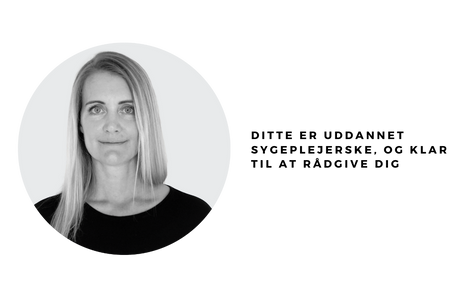
As a nurse, I have met many people who are not aware that they may be suffering from sleep apnea. Most people do not associate their daily symptoms with this phenomenon but explain it by saying they are just tired, stressed, etc. Their snoring is also not as bad as their husband/wife makes it out to be...
-It is still somewhat of a taboo, and therefore there are always many good (excuses/rationalizations if healthcare professionals inquire about it.
The fact is that sleep apnea is not entirely harmless, and it is important to get the right help. That is why I have chosen to write this small blog post, which might help you clarify whether you, or perhaps someone around you, suffers from sleep apnea?
As a nurse, I always gather relevant knowledge from valid sources, and in this case, I will give you quotes from the healthcare website Danish Sleep Apnea Association and Medicin.dk.
They provide a very brief and precise description of sleep apnea, as well as the consequences it can have for us and for those closest to us.
What is Sleep Apnea?
Sleep apnea means breathing pauses during sleep. These pauses typically last between 15 and 60 seconds, and you can have several hundred of them in a single night. When talking about obstructive sleep apnea syndrome (OSAS), it refers to many breathing pauses during nighttime sleep. This leads to poor sleep quality and causes a range of symptoms during the day: first and foremost, fatigue and a tendency to fall asleep at undesirable times.
Symptoms of sleep apnea
You may not notice the nighttime breathing pauses yourself, but you will often be told that you snore a lot and sleep very restlessly. Generally, sleep quality with OSAS is poor, and you do not feel rested in the morning. During the day, you are often tired and tend to fall asleep, for example, in the cinema, at meetings, or in traffic.
What causes sleep apnea?
The most common form of sleep apnea is caused by the pharynx completely or partially collapsing during sleep. Breathing resumes, often right after a loud snore, without the person waking up. During breathing pauses, there can be a pronounced drop in the oxygen level in the blood. Narrow airways due to obesity, which compresses the airways, and for example, a very large soft palate, large tongue, and narrowings in the nose contribute to the tendency for sleep apnea. Sleeping pills and alcohol in the evening also worsen the tendency for OSAS.
Another, far rarer cause of sleep apnea, is insufficient control of breathing during sleep, without the airways being blocked. This form of sleep apnea is called central sleep apnea and occurs more frequently after stroke or as a result of spinal cord damage.
If sleep apnea is suspected, sleep monitoring will be performed, where your sleep depth, breathing, and the amount of oxygen in your body during sleep are recorded. Often, this will be supplemented with a general medical examination, as many patients are overweight and tend to have diabetes and high blood pressure.
Treatment of sleep apnea
In addition to the use of dental splints and weight loss, there is increasing focus on the use of oxygen masks, as muscles in the pharynx can often block breathing = Obstruction.
Today, OSAS is usually treated with a so-called CPAP machine. CPAP is an abbreviation for Continuous Positive Airway Pressure.
A CPAP device functions as an air blower. It blows air with slight overpressure through a hose to a mask, which is placed over the nose or nose/mouth.
When sleeping with CPAP, a slight overpressure is created in the pharynx, which prevents collapse/blockages when inhaling.
The CPAP device creates open airways so that one can breathe normally and sleep without apneas.

What is the best sleeping position if I have sleep apnea?
Many sleep apnea patients experience more apneas when sleeping on their back because the tongue and soft palate more easily fall back into the throat in this position.
It can therefore be a good idea to get used to sleeping on your side.
For many people, this can be a bit of a challenge, as common pillows on the market are NOT designed for people who sleep on their side with oxygen masks, such as CPAP masks.
What is the best pillow for sleep apnea?
At Seniorpleje, we have a special selection of pillows designed for you who sleep with oxygen masks, CPAP, BiPAP, etc. These special pillows are designed to give you maximum freedom around your mouth and face, as well as to ensure that your mask does not cause marks or pressure sores when you sleep on your side. Some of the pillows therefore have built-in freedom for both your face and your shoulder.

We currently have 3 different types of pillows, so there is guaranteed to be one that suits you and your needs.
See our assortment here: www.seniorpleje.dk
- I hope you have gained some inspiration and perhaps clarity about some of the symptoms you are experiencing, or that your loved ones may be experiencing. A CPAP mask might secure you many extra years, and perhaps save your life ;)
If you need guidance or advice, the team and I are ready to help you.
Best wishes from Ditte & the Seniorpleje team




2 comments
Så jeg er meget spændt på hvilken hjælp hospitalet vil give mig
Mvh Lene Astrup